How do we recover from sexual abuse?
Summarized by VidSnap AI from Kati Morton on YouTube · Sep 14, 2026 · Watch the original
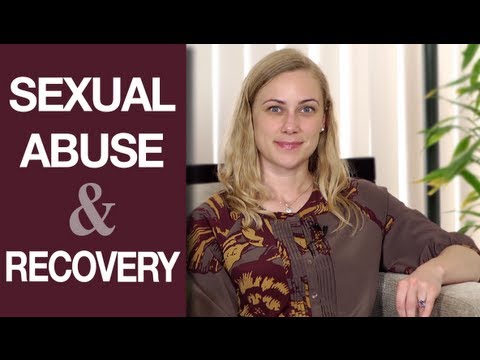
Healing from Sexual Abuse: A Process of Patience and Safety
This video features licensed therapist Kati Morton addressing the challenging journey of recovering from sexual abuse. She acknowledges the profound difficulty of the healing process and offers practical, compassionate guidance for survivors, primarily through the lens of Laura Davis's workbook, The Courage to Heal.
The Nature of Healing: A Process, Not a Perfection
Morton begins by directly confronting a common question: "How long will I feel like this?" She explains that healing from trauma cannot be rushed. The pain and hurt survived take significant time to process.
- Healing is a process: It's not about rushing to the end of a workbook or seeking a quick fix. Each step requires appropriate time, even if it takes weeks to get through a few pages.
- Expect setbacks: Backsliding, acting out, and having difficult days are a normal part of the journey, not a sign of failure.
- It gets worse before it gets better: This often occurs because survivors have suppressed their trauma. The therapeutic process involves putting words to the experience, which can be painful before it brings relief.
The First Step: Creating Safety
The initial portion of the workbook focuses on building "survival skills," with the most crucial being the creation of safety. Morton explains that abuse often destroys a person's sense of safety, and recovery involves reclaiming it.
- Core question: "Have I ever felt safe?" This can be answered with a yes, no, or even "I can't remember."
- Homework for the week: If the answer is "yes," describe that time in detail—what made you feel safe, who was there, and what it looked like. If the answer is "no," contemplate what would need to happen in order to feel safe.
- Examining beliefs: If you have never felt safe, identify the beliefs that have prevented this feeling (e.g., "everyone I've trusted has hurt me"). These beliefs are puzzle pieces that will be addressed in future work.
Moving Forward with the Workbook
Morton strongly recommends The Courage to Heal Workbook by Laura Davis, noting that Davis is herself a survivor, which informs her passionate and empathetic approach.
"We can't rush through it... nothing heals like time."
She encourages viewers to be patient, loving, and practice self-care while working through this process. The goal is to build a personal safety plan to return to when processing the trauma becomes overwhelming.
Key Takeaway
Recovery from sexual abuse is a non-linear journey that requires immense patience and self-compassion. The essential first step is not to rush toward healing, but to slowly and deliberately establish a personal sense of safety—the foundation upon which all subsequent healing work is built.
Want to summarize your own videos?
Try VidSnap free